How one of the most researched supplements may support strength, muscle, recovery, brain health, bone-supportive training, and longevity.
At Train With Cain, we train for more than a smaller body. We train for capability, confidence, independence, and strength that lasts.
Why Creatine Deserves Attention After 40
Creatine has long been associated with athletes, bodybuilders, and high-performance sports. But for adults over 40 — especially women navigating perimenopause, menopause, and the natural aging process — creatine is much more than a gym supplement.
It may be a practical support tool for maintaining strength, preserving lean muscle, improving training quality, supporting recovery, and helping you stay active for decades to come.
That does not mean creatine is magic. It does not replace strength training, protein, sleep, hydration, or consistency. But when paired with resistance training, creatine may help the body do more with the work you are already putting in.
Coach Amy’s Take: I do not look at creatine as a shortcut. I look at it as support. The goal is not to depend on a supplement. The goal is to create a lifestyle where strength training, fueling, recovery, and smart choices work together.
What Is Creatine?
Creatine is a naturally occurring compound made in the body and found in foods like red meat, poultry, and fish. Most creatine is stored in skeletal muscle, where it helps regenerate ATP — the body’s quick energy source during short bursts of effort.
Think of ATP as your “power currency.” When you lift a heavy dumbbell, climb stairs, perform a strong push, sprint, jump, or move explosively, your body relies on quick energy systems. Creatine helps support that process.
Creatine is especially connected to:
- Strength training
- Power output
- Short bursts of intensity
- Repeated efforts
- Muscle energy availability
- Recovery between hard sets
What Changes After 40?
After 40, the body begins changing in ways that can affect strength, energy, recovery, and body composition. For women, this is often amplified by hormonal shifts during perimenopause and menopause.
Common changes may include:
- Reduced estrogen levels
- Slower recovery between workouts
- Increased muscle protein breakdown
- Loss of lean muscle mass
- Greater risk of sarcopenia
- Bone density changes
- More joint stiffness
- Lower power output
- Increased fatigue or brain fog
This is not a reason to stop training. It is a reason to train smarter.
Coach Amy’s Take: Women over 40 do not need easier goals. They need smarter strategies. Strength training becomes non-negotiable, and recovery becomes part of the program — not an afterthought.

Muscle Is the Organ of Longevity
At TWC, we talk about muscle differently. Muscle is not just about shape. Muscle is about life.
Muscle helps you:
- Get off the floor with confidence
- Carry groceries without strain
- Lift luggage overhead
- Climb stairs without fear
- Protect your joints
- Support metabolism
- Reduce fall risk
- Maintain independence as you age
Creatine matters because it supports the system we are trying to protect: muscle quality, training capacity, and the ability to keep showing up consistently.
10 Potential Benefits of Creatine After 40
1. Supports Strength Gains
Creatine may help support improvements in strength when combined with resistance training. This matters because strength is one of the strongest predictors of long-term function and independence.
2. Helps Preserve Lean Muscle
After 40, adults gradually lose muscle if they are not actively working to preserve it. Creatine may help support lean mass when used alongside progressive resistance training.
3. Improves Training Quality
If you can perform quality reps, recover better between sets, and maintain intensity, your workouts become more effective. Creatine may help support repeated bouts of effort.
4. Supports Power Output
Power is the ability to produce force quickly. Power helps with balance, reaction time, athletic movement, and fall prevention. It is one of the first qualities to decline with age if we do not train it.
5. Supports Recovery Capacity
Creatine may help support muscle recovery demands, especially for people doing consistent strength training. Recovery becomes increasingly important in midlife and beyond.
6. Supports Muscle Protein Balance
Creatine is not protein, but it may support the training environment that helps muscle adapt. It works best when paired with adequate protein, strength training, and recovery.
7. May Support Brain Energy
Creatine is also present in the brain. Research continues to explore its role in cognition, mental fatigue, mood, and brain energy, especially during aging and periods of stress.
8. May Support Bone Health Indirectly
Creatine does not replace bone-building exercise. Current evidence suggests the biggest bone-related value likely comes indirectly: creatine may help support stronger training, and stronger muscles create better mechanical loading for bones.
9. Supports Active Aging
Creatine may help adults continue training with more quality and confidence. That means more consistent workouts, better strength habits, and more independence over time.
10. Helps Shift the Mindset From Weight Loss to Strength
For many women over 40, the goal needs to move beyond shrinking. Creatine fits a strength-first mindset: preserve muscle, train well, recover well, and build a body that supports your life.
Creatine & Perimenopause
Perimenopause can bring changes in sleep, recovery, mood, body composition, and training tolerance. Many women notice that what used to work no longer works the same way.
This is where creatine becomes especially interesting. As estrogen fluctuates and recovery demands increase, women may benefit from strategies that support muscle, energy, and training quality.
Creatine may support:
- Training intensity during hormonal shifts
- Muscle preservation
- Strength output
- Neuromuscular function
- Recovery between sessions
Coach Amy’s Take: Perimenopause is not the time to punish your body with less food and more random cardio. It is the time to lift, fuel, recover, and support the body like it matters — because it does.
Creatine & Menopause
Menopause increases the importance of strength training because of changes in muscle, bone, recovery, and metabolism. This is when many women begin noticing that they feel weaker, softer, more tired, or less resilient.
Creatine may be helpful because it supports the training qualities that matter most: strength, muscle performance, power, and consistency.
| Menopause Change | Why It Matters | How Creatine May Help |
|---|---|---|
| Lower estrogen | Can affect muscle, recovery, and inflammation | May support training quality and energy availability |
| Muscle loss risk | Can reduce strength and metabolism | May support lean mass when paired with lifting |
| Bone density concerns | Raises fracture and osteoporosis risk | May indirectly support bone through stronger resistance training |
| Brain fog/fatigue | Can reduce motivation and quality of life | Emerging research is exploring cognitive support |
Creatine Myths vs. Facts
| Myth | Truth |
|---|---|
| Creatine makes women bulky. | Creatine does not magically create bulky muscle. It may support strength and lean mass when paired with training. |
| Creatine causes fat gain. | Some people notice scale weight increase from water stored inside muscle cells. That is not the same as fat gain. |
| Creatine is only for men. | Women can benefit from creatine, especially when training for strength, power, recovery, and healthy aging. |
| You must load creatine. | A loading phase can work faster, but many people simply take 3–5g daily consistently. |
| Creatine replaces protein. | Creatine is not protein. You still need enough protein to support muscle repair and growth. |
| Creatine works without exercise. | The strongest benefits are seen when creatine is paired with resistance training. |
Does Creatine Cause Weight Gain?
Creatine may cause a small increase on the scale for some people because it helps muscles store water. This is intracellular water — water inside the muscle cell — not body fat.
For women who have spent years fearing the scale, this matters. A slight scale increase does not mean failure. It may reflect better hydration within muscle tissue and improved training support.
Is Creatine Safe?
Creatine monohydrate is one of the most researched supplements available and is generally considered safe for healthy adults when used at recommended doses.
However, creatine is not for everyone. If you have kidney disease, reduced kidney function, are taking medications that affect kidney function, are pregnant or breastfeeding, or have a medical condition, speak with your healthcare provider before starting.
Creatine can also affect blood creatinine levels, which are sometimes used to estimate kidney function. This does not automatically mean kidney damage, but it is worth discussing with a healthcare professional if you have concerns.
Coach Amy’s Take: Smart women ask smart questions. Supplements should support your health, not replace medical guidance.
How Much Creatine Should Adults Over 40 Take?
The most common maintenance dose is:
Some people use a loading phase, but it is not required for most adults. Consistency matters more than perfect timing.
TWC Simple Guide
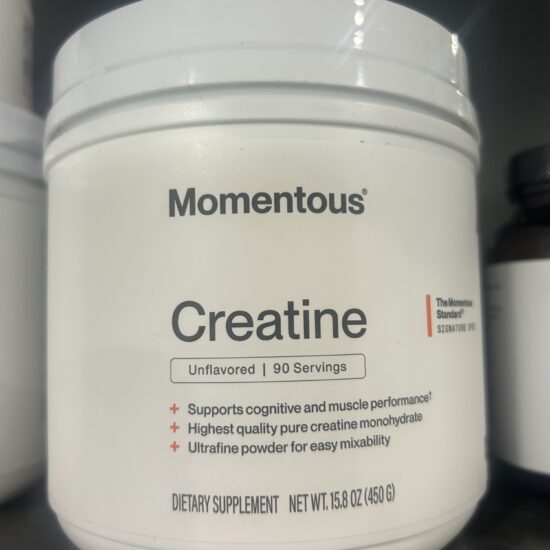
- Choose creatine monohydrate
- Take 3–5g daily
- Mix with water, coffee, smoothie, or protein shake
- Take it even on rest days
- Pair with resistance training
- Stay hydrated
- Give it time — think weeks and months, not days
Best Type of Creatine
For most people, the best option is simple:
It is the most studied, widely available, and typically the most cost-effective form. You do not need fancy blends, stimulant formulas, or expensive “women’s” versions.
Look for:
- Creatine monohydrate
- Third-party testing when possible
- No unnecessary stimulants
- No added sugar unless you intentionally want it
- Clear serving size of 3–5g
How to Add Creatine Into Your Routine
| Routine | Simple Option |
|---|---|
| Morning workout | Add creatine to post-workout protein shake |
| Midday workout | Mix with water or smoothie after class |
| Evening workout | Take with dinner or recovery drink |
| Rest day | Take with breakfast, coffee, or lunch |
The easiest routine is the one you will repeat.
Creatine Works Best With Strength Training
This is important: creatine is not a replacement for lifting weights.
The biggest benefits happen when creatine is paired with consistent resistance training. That means dumbbells, machines, bands, bodyweight progressions, and structured programs that challenge your muscles over time.
At TWC, that means:
- Progressive strength training
- Core-focused programming
- Form coaching
- Consistency over intensity chaos
- Training designed for real-life strength
Is Creatine Right for You?
Creatine may be worth discussing with your healthcare provider if you:
- Are over 40
- Strength train consistently
- Want to preserve muscle
- Want to support recovery
- Are in perimenopause or menopause
- Eat little red meat or fish
- Want to support long-term strength and independence
- Are focused on healthy aging
You should speak with your healthcare provider first if you have kidney concerns, complex medical history, or take medications that require monitoring.
Coach Amy’s Corner: Why I Care About This Topic
I coach women who are raising families, running businesses, supporting parents, managing careers, and trying to feel like themselves again.
Many of them were told that aging means getting weaker, gaining weight, losing energy, and accepting less.
I do not believe that.
We cannot stop time, but we can influence how we age. We can lift. We can fuel. We can recover. We can support muscle. We can protect independence. We can build confidence one rep at a time.
Creatine is not the whole answer. But for many women, it can be one smart piece of the longevity puzzle.
My goal is not to help you feel strong for summer. My goal is to help you feel strong for life.
Frequently Asked Questions
Is creatine good for women over 40?
Creatine may be helpful for women over 40 because it supports strength, power, muscle performance, and training quality when paired with resistance training.
Does creatine help during menopause?
Creatine may support training capacity, muscle maintenance, and recovery during menopause, especially when paired with strength training.
Will creatine make me bulky?
No. Creatine does not automatically make women bulky. Building large amounts of muscle requires years of very specific training, nutrition, and genetics.
Does creatine cause fat gain?
No. Creatine may increase water stored inside muscle cells, which can slightly increase scale weight, but this is not fat gain.
What type of creatine is best?
Creatine monohydrate is the most researched and commonly recommended form.
How much creatine should I take?
A common dose is 3–5 grams daily. Some people use loading phases, but many adults simply take a daily maintenance dose consistently.
Do I take creatine every day?
Yes, consistency matters. Many people take creatine daily, including rest days.
When should I take creatine?
Timing is less important than consistency. Take it at a time you will remember.
Can I put creatine in coffee?
Yes, many people mix creatine into coffee, water, smoothies, or protein shakes.
Do I need creatine if I eat meat?
You may already get some creatine from food, but supplementation provides a consistent daily amount. Vegetarians and people who eat little meat or fish may benefit more.
Is creatine safe for kidneys?
Creatine is generally considered safe for healthy adults at recommended doses. People with kidney disease or kidney concerns should talk to their healthcare provider before using it.
Does creatine help bones?
Creatine does not replace bone-building exercise. Its bone-related benefit is likely indirect through supporting stronger resistance training and muscle function.
Can creatine help brain fog?
Research is exploring creatine’s role in brain energy, cognition, and mental fatigue. Evidence is promising in some areas, but more research is needed.
Should I cycle creatine?
Most people do not need to cycle creatine. Daily consistency is usually the simplest approach.
Can I take creatine with protein powder?
Yes. Creatine and protein can be taken together, but they do different jobs. Protein helps repair and build muscle; creatine supports quick energy and training performance.
Final Takeaway: Strong Today. Strong for Life.
Creatine is not a miracle. But it may be one of the most practical, researched, and useful supplements for adults over 40 who are serious about strength, muscle, recovery, and healthy aging.
The foundation still matters most:
- Lift weights consistently
- Eat enough protein
- Fuel your workouts
- Sleep and recover
- Stay hydrated
- Build habits you can repeat
Creatine can support the mission — but the mission is strength for life.
Your first workout at Train With Cain is free. Come experience coaching, community, and strength training designed for women who want to feel powerful now and decades from now.
Medical disclaimer: This article is for educational purposes only and is not medical advice. Always consult your healthcare provider before starting any supplement, especially if you have kidney disease, medical conditions, take prescription medication, are pregnant, or are breastfeeding.